The Influence of Risk and Reward
The allure of casinos often lies in the delicate balance between risk and reward, a fundamental aspect that influences player decisions. Psychologically, individuals are drawn to the thrill of potentially winning significant amounts of money against the backdrop of the financial risk involved. This dynamic creates an adrenaline rush that can be addictive, leading players to engage in games where the stakes are high. If you want to understand this phenomenon better, you can find out more here. Understanding this psychological mechanism helps to explain why certain games, such as poker or blackjack, attract players who are not just seeking entertainment but also the excitement that comes from gambling risks.
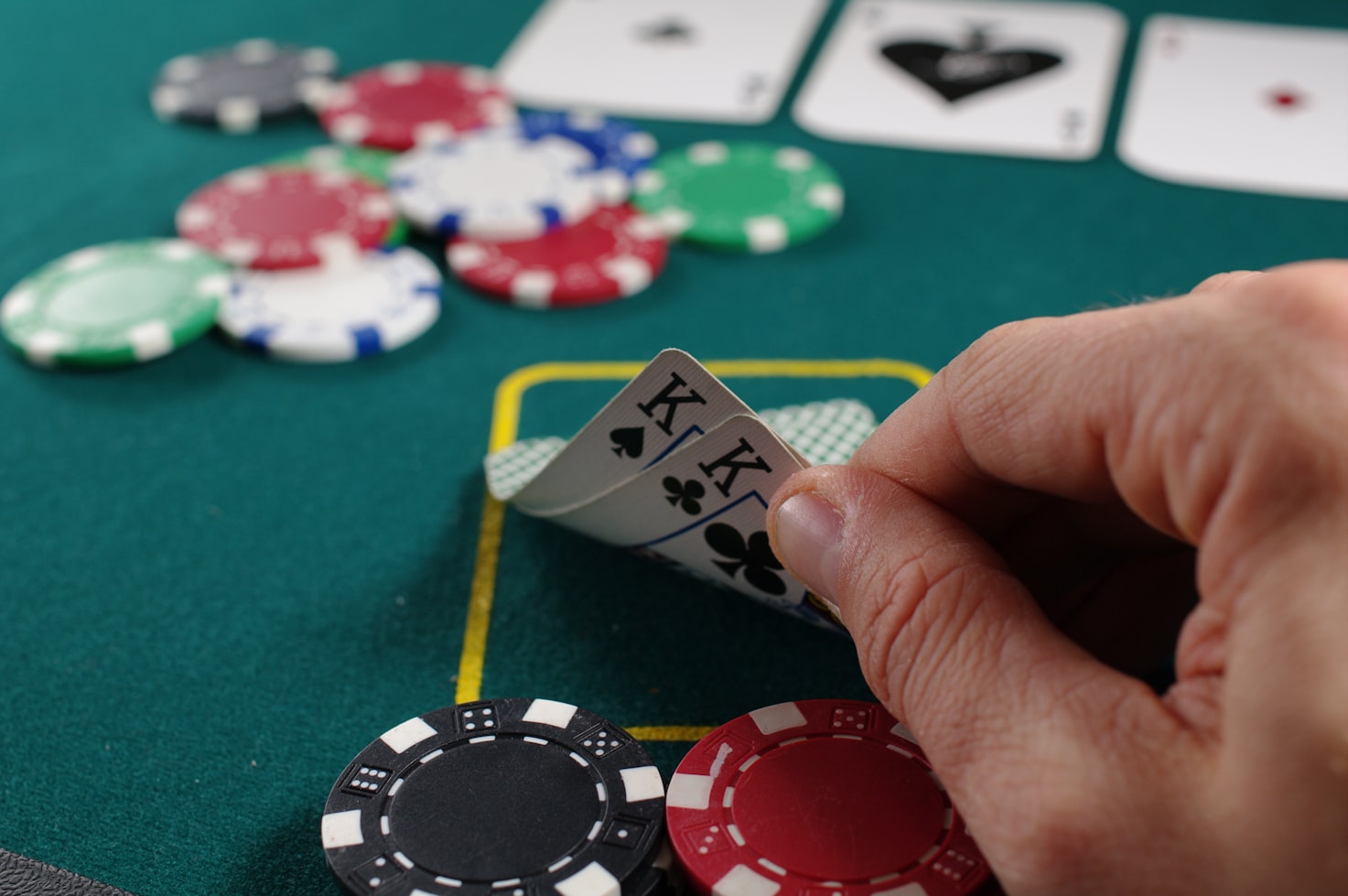
Furthermore, the structure of rewards in casino games is designed to be compelling. For instance, variable ratio reinforcement schedules—where players receive rewards at unpredictable intervals—can enhance the excitement and prolong engagement. This unpredictability taps into the brain’s reward system, evoking feelings of anticipation and promoting continued play, regardless of past outcomes. The combination of risk and the potential for large rewards creates a psychological environment that keeps players returning to the casino floor.
The Role of Social Interaction
The social aspect of casino gaming significantly impacts player choices. Many individuals are naturally social beings, and the environment of a casino encourages interaction among players. Games like craps and poker involve group dynamics and can foster a sense of community, making them particularly appealing. The excitement of placing bets alongside others, sharing strategies, and celebrating wins can enhance the gaming experience and influence choices. Players often gravitate towards games that allow for social engagement, contributing to the popularity of specific options.
Additionally, the psychological comfort found in shared experiences can lead to a phenomenon known as « herding behavior. » This occurs when individuals make decisions based on the actions and choices of those around them, rather than their evaluations of risk and odds. Consequently, players may select games that are trending among their peers, illustrating how social dynamics can shape gambling preferences. The camaraderie found in casinos not only serves as entertainment but also as a driving force behind game selection.
The Impact of Branding and Game Design
Branding plays a crucial role in influencing player choices in the casino environment. Compelling visuals and themes can attract players to specific games, often long before they’ve even experienced the gameplay. The aesthetic appeal of slot machines, for instance, is meticulously designed to capture attention and evoke emotions. Bright lights, engaging sounds, and thematic elements can create a memorable experience, leading players to choose certain games over others. Psychological principles suggest that attractive designs can enhance perceptions of fun and increase the likelihood of game selection.
Moreover, the game’s design itself can activate various psychological triggers. Features such as bonus rounds, progressive jackpots, and gamified elements can enhance engagement and attract players seeking more than just traditional gameplay. This strategic design not only influences choices but encourages players to stay longer, increasing the casino’s overall revenue. By utilizing psychological principles in branding and game mechanics, casinos can effectively steer player choices toward particular games, contributing to their ongoing popularity.
The Relationship Between Personality Traits and Game Choices
Individual personality traits significantly influence casino game choices. Research indicates that players with higher levels of sensation-seeking tend to gravitate towards riskier games that offer higher stakes and unpredictability. These individuals thrive on excitement and are less deterred by potential losses. In contrast, those with a preference for more structured environments may prefer games that involve strategy, such as blackjack or poker, where skill and decision-making play a crucial role. This divergence in preferences highlights how personality shapes gambling behavior.
Additionally, factors such as impulse control can dictate choices in the casino setting. Players with lower impulse control may be more likely to choose games like slots, which require less strategic thought and are often more fast-paced. Understanding these personality-driven tendencies not only provides insight into why specific games are favored but also emphasizes the need for responsible gambling measures tailored to different player profiles. As casinos cater to diverse psychological profiles, recognizing these traits can enhance engagement and satisfaction among players.
About Our Website
Our website is dedicated to providing valuable resources and information about the world of gambling. We recognize that understanding the psychology behind game choices is not only fascinating but also essential for responsible gaming. By exploring various elements—from risk and reward dynamics to social influences and game branding—we aim to equip players with the knowledge they need to make informed decisions.
We believe in promoting a safe and enjoyable gambling experience. Our platform offers insights and resources that empower users to navigate the gambling landscape responsibly. Whether you are a seasoned player or new to the casino environment, we invite you to explore our publicly available resources and reach out for any assistance you may need. Your understanding and enjoyment of casino games are at the forefront of our mission.